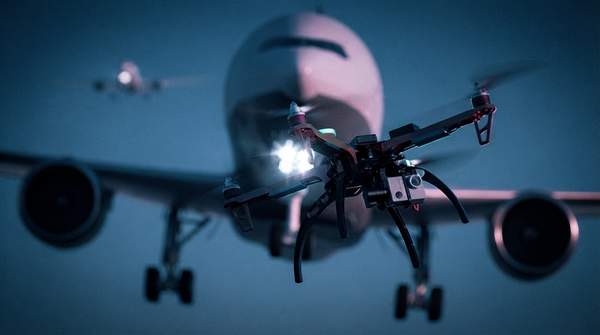
Counter-Unmanned Aircraft Systems (C-UAS), or counter-drone technologies, provide a systematic defense against the growing presence of unauthorized drones. These systems operate on an integrated, four-stage process designed to detect, track, identify, and ultimately neutralize aerial threats. The effectiveness of any C-UAS installation hinges on a layered combination of sensor and effector technologies, each with distinct operational principles and critical trade-offs. Understanding this workflow and the capabilities of its components is essential for deploying a defense appropriate for a specific environment, whether it be a crowded stadium, a critical infrastructure site, or a military battlefield.
The core operational sequence begins with detection, where an array of sensors scans the airspace for potential incursions. Once a target is found, the system tracks its flight path to assess its trajectory and intent. Following this, an identification phase uses more advanced analysis to confirm the object is a drone, classify its type, and distinguish it from authorized aircraft. The final stage is neutralization, where an operator chooses and deploys a countermeasure. These responses are broadly categorized as "soft-kill" methods that disable the drone non-destructively and "hard-kill" methods that physically intercept or destroy it. According to an analysis from Eagle One, no mitigation method is entirely without risk, making the selection of technologies a crucial decision based on operational context and acceptable levels of collateral damage.
The Integrated C-UAS Kill Chain
A comprehensive C-UAS solution functions as a cohesive "kill chain," integrating multiple technologies into a sequential process to manage drone threats from the initial alert to the final resolution. This layered approach ensures operators maintain situational awareness and have a range of response options tailored to the specific threat.
1. Detection
The first and most critical step is to sense the presence of a drone within a protected area. C-UAS systems employ a variety of technologies, often in combination, to cast a wide net for potential threats. These sensors include radio frequency (RF) analyzers that listen for the communication signals between a drone and its pilot, acoustic sensors that identify the unique sound of propellers, and optical sensors that use cameras for visual spotting. The goal of this initial stage is to provide the earliest possible warning of an incursion.
2. Tracking
Once a sensor detects a potential threat, the C-UAS must continuously track its movement. This involves monitoring the drone's flight path to predict its trajectory and ultimate destination. This capability provides operators with the crucial time needed to assess the drone's intent. According to security technology firm Pelco, some systems with radio frequency sensors can also analyze the signals exchanged between the drone and its control station to geolocate the pilot, offering a significant intelligence advantage for law enforcement or security personnel.
3. Identification
Not every object detected is a threat, so the identification phase uses sophisticated analysis to confirm that the tracked object is a drone and to classify it. Multi-sensor systems are particularly effective at this stage, as they can correlate data from different inputs to build a more complete picture. Pelco notes that AI-powered cameras can be trained to recognize the visual characteristics of specific drone models, while RF analysis can identify the unique signal signatures associated with different manufacturers. This step is vital for distinguishing between hostile drones, non-threatening hobbyist aircraft, and authorized commercial or government drones operating in the area.
4. Neutralization
After a drone is detected, tracked, and positively identified as a threat, the system operator can initiate a countermeasure. As outlined by Eagle One, these actions fall into two main categories. Soft-kill methods aim to disable the drone without physical destruction, such as by jamming its communication links or spoofing its GPS signals to make it land or return home. Hard-kill methods are designed to physically neutralize the drone through kinetic means, such as by firing projectiles, deploying nets, or using interceptor drones.