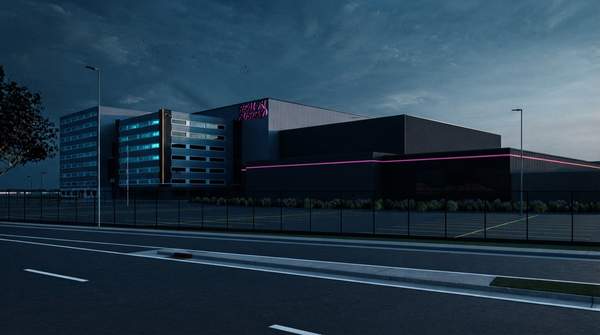
Wisconsin has approved up to $15 million in performance-based Enterprise Zone tax credits for Realta Fusion, the final major piece of a public incentive package worth up to $55 million that underpins the startup's $800 million headquarters and research facility at the site of Madison's former Oscar Mayer plant.
Wisconsin Boosts Fusion Energy with $15 Million for Realta Fusion Project
Gov. Tony Evers and the Wisconsin Economic Development Corporation announced the incentives on November 18, 2026, saying the $800 million project will create more than 500 high-paying jobs and build on the Evers Administration's carbon-free electricity efforts. The WEDC Board of Directors formally approved the credits the day before the announcement.
Realta Fusion is a startup that spun out of research at the University of Wisconsin-Madison, according to Wisconsin Public Radio. The company announced this summer that it would develop the former Oscar Mayer site—known as OM Station—as its headquarters and research and development facility. The state's decision this week converts the previously discussed tax credit portion of that arrangement into an approved commitment.
Realta Fusion's Public Funding: An Itemized Breakdown
When Realta first announced the project in July, it said it had secured up to $55 million in incentives from the state and the City of Madison, Wisconsin Public Radio reported. The newly approved tax credits fill in the last of the three components, allowing the full public financing structure to be consolidated as follows.
| Incentive Type | Governing Body | Value | Conditions / Purpose |
|---|---|---|---|
| Enterprise Zone tax credits | WEDC (board-approved) | Up to $15 million | Performance-based; amount depends on capital invested and jobs created, with more than 500 jobs expected |
| Sales and use tax exemptions | State of Wisconsin | $37.5 million | Part of the broader incentive package announced in summer 2026 |
| Tax increment financing | City of Madison | $2.8 million | City-level contribution to the OM Station development |
The table disaggregates the package by source and type: state support accounts for the tax credits and the sales and use tax exemptions, while the city's contribution comes through tax increment financing. The $15 million in credits announced this week represents roughly the difference between the headline state figure and the total package value. Because the credits are performance-based, the $15 million is a maximum—Realta receives funds only as it meets its job creation and capital investment targets, and no disbursement occurs before those targets are met.
The Realta Forge: A New Hub for Fusion Innovation
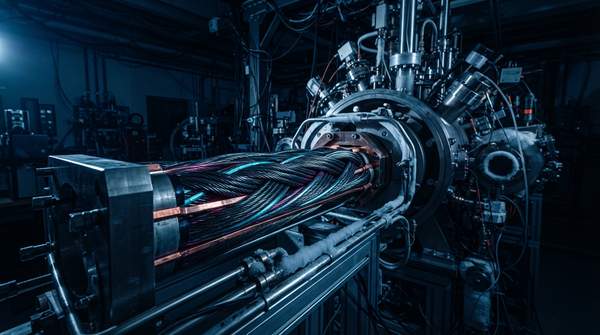
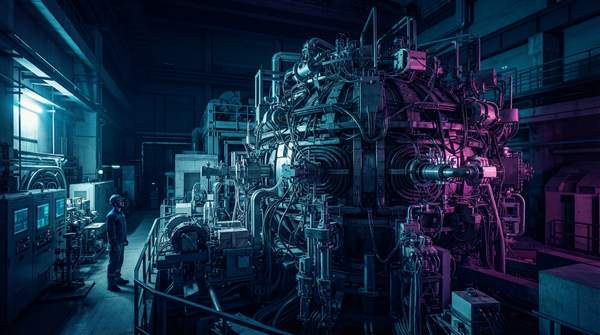
According to the governor's office and WEDC, the project will locate Realta's corporate headquarters and research and development operations at OM Station, on the site of the shuttered Oscar Mayer plant in Madison. The company plans a facility known as The Realta Forge, where it intends to develop the Hammir prototype, a magnetic mirror fusion machine.
The scale is substantial for a startup: an $800 million capital investment and more than 500 projected jobs on a site that has been a redevelopment priority since the meatpacking plant closed. Wisconsin Public Radio's earlier reporting on the announcement cited a figure of 600 jobs, though the governor's office and WEDC consistently state "more than 500." Realta could break ground before the end of 2026, according to the governor's office.
Performance-Based Incentives Drive Economic and Energy Goals
The structure of the state's support ties public money directly to private performance. WEDC stated that the amount of credits Realta receives depends on the amount of capital invested and the number of jobs created—meaning Wisconsin's exposure scales with the project's actual delivery rather than its promises.
Evers framed the project as part of the state's broader strategy. "Fusion energy is not only good for our planet and our power grid, but it builds on all our strengths as a state with our world-class research universities, research laboratories, and an incredible manufacturing and supply chain network supported by our highly skilled workforce," he said in the announcement. He also tied the project to the state's clean energy and jobs agenda: "We don't have to choose between a clean energy future and supporting good-paying jobs and a strong economy; we can and should do both."
For Wisconsin, the bet is that anchoring a fusion startup spun out of UW-Madison will help position the state as a hub for fusion commercialization. For Realta, the approved credits provide financial certainty as it moves toward construction. The publicly announced package is limited to the state and city incentives described above; any future federal funding would be separate and has not been announced.
Wisconsin's Fusion Future: What Comes Next
Realta Fusion is set to proceed with the development of The Realta Forge at the former Oscar Mayer plant, aiming to break ground before the end of 2026. The measurable indicator to watch is groundbreaking activity at the OM Station site and official announcements regarding construction progress. Beyond that, the pace of job creation will determine how much of the up to $15 million in credits is actually disbursed, making employment figures at the facility the clearest ongoing signal of whether the performance-based deal is being fulfilled.