
Bci
4 articles
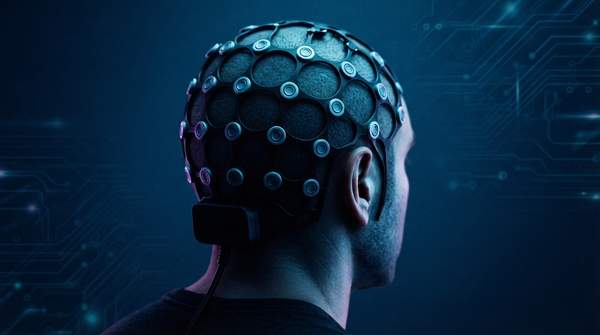
From Brainwave to Command: How a BCI Turns Neural Signals Into Action
A brain-computer interface (BCI) translates neural signals into device commands through a four-stage pipeline: signal acquisition, conditioning, feature extraction, and AI-driven decoding. Understanding this process, from capturing raw brain activity to providing feedback, is key to BCI functionality and its ongoing development.
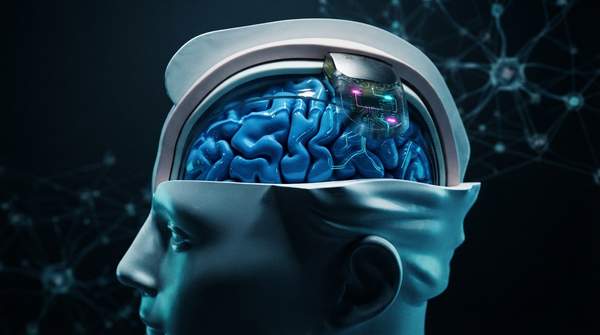
EEG, ECoG, or Intracortical: How BCI Signal Acquisition Methods Trade Surgery for Precision
Brain-computer interfaces (BCIs) navigate a core trade-off between invasiveness and signal quality, with methods like EEG, ECoG, and intracortical arrays offering increasing precision at the cost of surgical intervention. The choice of BCI acquisition method hinges on balancing application requirements for signal fidelity against acceptable levels of surgical risk.
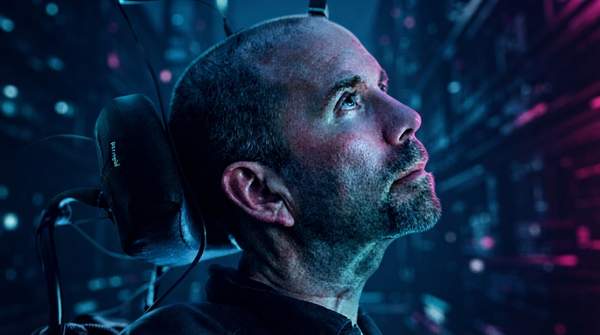
How Brain-Computer Interfaces Translate Thought into Motion
Brain-computer interfaces (BCIs) restore motor function for individuals with paralysis by decoding brain activity and translating it into control signals for external devices like robotic limbs. The technology offers a direct pathway from thought to action, balancing precision with safety through invasive and non-invasive approaches.

How Brain-Computer Interfaces Work: Four Steps From Brain Signal to Machine Action
Brain-computer interfaces (BCIs) create a direct communication channel between the brain and a machine, translating brain signals into commands for output devices. They operate through a four-step process: Measure, Interpret, Encode, and Deploy, with distinctions between invasive and non-invasive technologies.