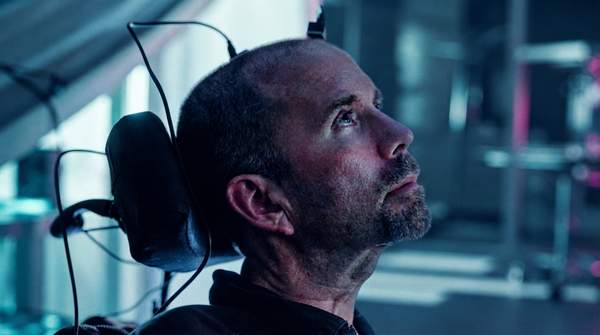
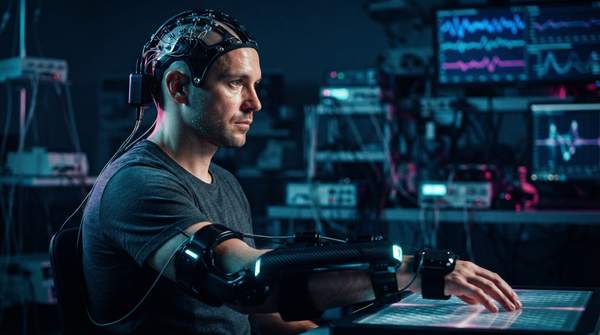
Brain-computer interface (BCI) technology, a field that bridges neuroscience and engineering, is creating a direct communication pathway between the human brain and an external device. A BCI is a computer-based system that operates through a fundamental process: it acquires brain signals, analyzes them to interpret a user's intent, and translates those signals into commands that an output device can execute. The primary aim of this technology is to restore communication and function for individuals with severe paralysis or other neuromuscular disorders, offering them a way to interact with the world using only their thoughts.
While the concept is direct, the methods for establishing this connection vary significantly, primarily in their level of surgical invasiveness. Researchers and commercial developers are pursuing a spectrum of strategies, from non-invasive headsets that read brainwaves through the skull to highly sensitive electrodes implanted directly into brain tissue. Each approach presents a distinct set of trade-offs between signal clarity, surgical risk, and potential application. It is important to note that most BCI technologies are still in research or clinical trial phases and are not yet widely available to the public.
Comparative Overview of BCI Technologies
The development of brain-computer interfaces is progressing along three main paths, defined by how intimately the technology interacts with the brain. The choice of method involves a critical balance between the quality of the brain signal required for a specific task and the risks associated with surgery. Companies like Neuralink and Synchron are pioneering distinct approaches, each tailored to different needs and risk profiles for people with severe disabilities.
Invasive BCIs involve surgery to place high-resolution electrode arrays directly into the brain tissue. This approach provides the clearest and most precise signals of neural activity. A landmark example is the Utah array, which in 2004 enabled a paralyzed man named Matt Nagle to control a computer cursor and a prosthetic hand. More recently, Neuralink has been developing advanced implantable devices with the goal of treating neurological disorders. According to reports on its progress, the company has conducted successful human trials aimed at restoring movement and communication abilities for people with severe disabilities.
A less invasive alternative is the endovascular BCI, which avoids open-brain surgery. Synchron is a key developer in this space, creating a device called the Stentrode that can be implanted via blood vessels. This minimally invasive technique allows the device to be positioned near important motor regions of the brain without directly penetrating the tissue. This technology is aimed at helping individuals with paralysis from conditions like amyotrophic lateral sclerosis (ALS). In trials, participants have used the system to wirelessly control operating systems with their thoughts, enabling them to perform daily digital tasks like texting, emailing, and online banking.
Non-invasive BCIs are the safest option, as they measure brain activity from outside the skull. The most common method is electroencephalography (EEG), which uses a cap of electrodes to detect brainwaves. While this approach eliminates surgical risk, it faces challenges with signal quality, as the skull distorts the electrical signals. Consequently, these systems often provide lower resolution and may require extensive training for a user to operate them effectively. Despite these limitations, EEG-based BCIs have been used to control cursors, robots, and text-entry systems. Researchers are also exploring other non-invasive technologies, such as transcranial magnetic stimulation and digital holographic imaging, to enhance feedback and performance.
| Technology Approach | Key Developers/Examples | Primary Medical Application | Current Status |
|---|---|---|---|
| Invasive | Neuralink; Utah array | Restoring movement and communication for people with severe neurological disorders or paralysis. | Advanced research and clinical trials, with some successful human trials reported. |
| Minimally Invasive (Endovascular) | Synchron (Stentrode) | Enabling individuals with paralysis (e.g., from ALS) to control digital devices for communication and daily tasks. | Clinical trials have shown participants can wirelessly control computers; no serious adverse events reported in the first year for four patients in one study. |
| Non-Invasive | EEG-based headsets; advanced imaging systems | Controlling cursors, robots, and text-entry systems, often requiring significant user training. | Widely used in research; some commercial systems available, though with more limited functionality than invasive options. |