
Paralysis
2 articles
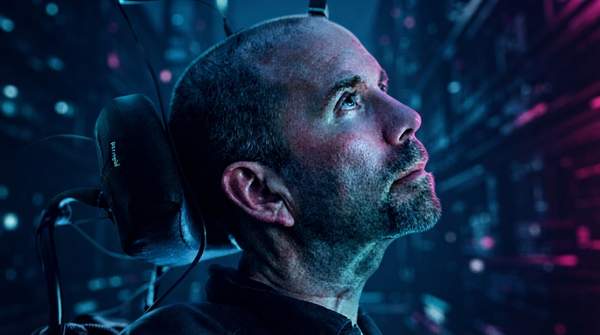
How Brain-Computer Interfaces Translate Thought into Motion
Brain-computer interfaces (BCIs) restore motor function for individuals with paralysis by decoding brain activity and translating it into control signals for external devices like robotic limbs. The technology offers a direct pathway from thought to action, balancing precision with safety through invasive and non-invasive approaches.

How Brain-Computer Interfaces Translate Thought into Action
Brain-computer interface (BCI) technology creates a direct communication pathway between the human brain and external devices by acquiring, analyzing, and translating brain signals into commands. The field is rapidly advancing with invasive, minimally invasive, and non-invasive approaches, aiming to restore function for individuals with severe paralysis, but faces significant technical, ethical, and security challenges.