
Brain Computer Interface
6 articles
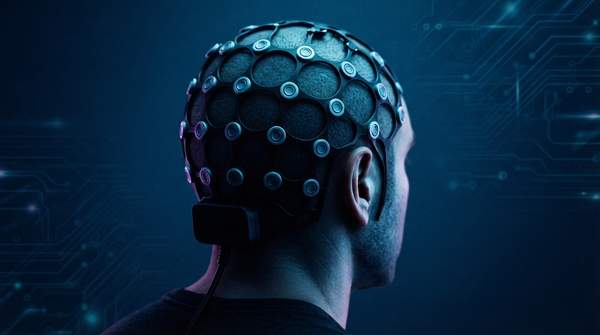
From Brainwave to Command: How a BCI Turns Neural Signals Into Action
A brain-computer interface (BCI) translates neural signals into device commands through a four-stage pipeline: signal acquisition, conditioning, feature extraction, and AI-driven decoding. Understanding this process, from capturing raw brain activity to providing feedback, is key to BCI functionality and its ongoing development.
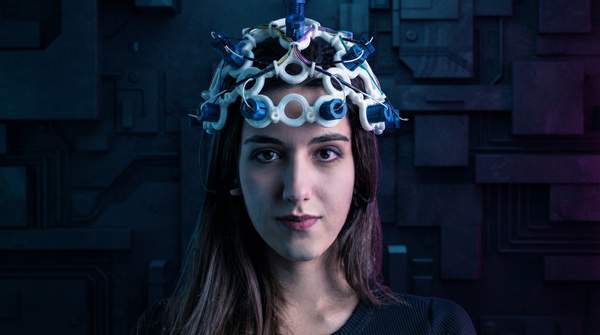
Decoding Brain-Computer Interface Signals: Computational Methods and Algorithms
Brain-Computer Interfaces (BCIs) decode brain signals using a multi-stage computational pipeline involving signal processing, feature extraction, and classification algorithms. Understanding these methods is key to translating neural intent into actionable commands for external devices.

What Are AI Neuroprosthetics Interpreting Neural Signals For?
A 48-year-old man with amyotrophic lateral sclerosis (ALS) recently communicated at home using a brain-computer interface (BCI), translating his neural activity into text at an average speed of 56 wor

How Brain-Computer Interfaces Work: Four Steps From Brain Signal to Machine Action
Brain-computer interfaces (BCIs) create a direct communication channel between the brain and a machine, translating brain signals into commands for output devices. They operate through a four-step process: Measure, Interpret, Encode, and Deploy, with distinctions between invasive and non-invasive technologies.

University of Michigan neurosurgeons implant first wireless brain-computer interface
A person with ALS, previously unable to speak, now communicates at 56 words per minute thanks to a brain-computer interface, a rate approaching natural conversation, according to Space Daily .

How Brain-Computer Interfaces Translate Thought into Action
Brain-computer interface (BCI) technology creates a direct communication pathway between the human brain and external devices by acquiring, analyzing, and translating brain signals into commands. The field is rapidly advancing with invasive, minimally invasive, and non-invasive approaches, aiming to restore function for individuals with severe paralysis, but faces significant technical, ethical, and security challenges.