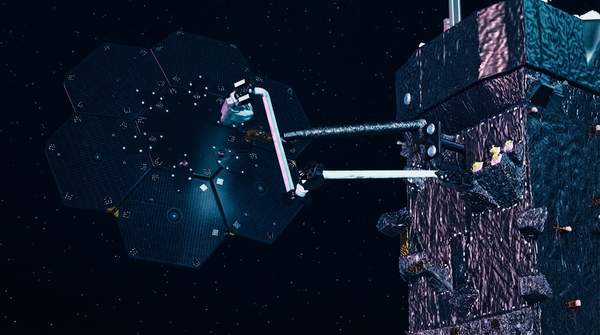
Five astronauts on the International Space Station were ordered to don spacesuits and shelter in an escape craft as a worsening air leak threatened the station's integrity, according to EarthSky. NASA specifically directed the four SpaceX Crew-12 members and astronaut Chris Williams to shelter in the SpaceX Dragon spacecraft during the planned repair procedure, as NASA (.gov) reported. The dire stakes for crew safety during the 2026 incident were underscored by this immediate action.
However, the situation shifted rapidly: astronauts were initially ordered to prepare for possible evacuation due to a worsening air leak. This alert was then reversed, according to Reuters and Al Jazeera. A fluctuating, uncertain assessment of the immediate danger was exposed by this rapid reversal.
The International Space Station's escalating air leaks are forcing international space agencies into reactive, contradictory emergency protocols, exposing a critical and unaddressed vulnerability in the station's operational integrity.
ISS Air Leak Details 2026: What We Know
Roscosmos reported an increase in the leak rate to two pounds per day, with new suspected leak areas identified in the PrK during cargo operations for the Progress 95 spacecraft, according to NASA (.gov). A rapidly deteriorating situation was confirmed by this dual development – an accelerating leak and fresh vulnerabilities.
The leak rate persists at 2 to 2.5 pounds of air per day above the space station baseline, CNN stated. A systemic challenge rather than an isolated incident is revealed by this sustained bleed, coupled with the emergence of new problem areas. Such persistent leakage demands a re-evaluation of long-term structural integrity and maintenance strategies for humanity's orbital outpost.
How Astronauts Are Responding to the ISS Air Leak
Astronauts responded by donning spacesuits and sheltering in the SpaceX Dragon spacecraft, including the four SpaceX Crew-12 members and astronaut Chris Williams. Their safety against rapid depressurization while ground control assessed the crisis was ensured by this immediate protocol.
Yet, the situation remained fluid. NASA initially ordered a full evacuation preparation due to worsening leaks, Al Jazeera reported, only to reverse the alert shortly after, according to Reuters. The profound uncertainty faced by mission control, forcing real-time, high-stakes decisions under immense pressure, was exposed by this rapid shift in directives.
Meanwhile, Roscosmos confirmed two leaks, with one successfully sealed and experts actively tackling the second, Al Jazeera noted. A reactive, rather than proactive, approach to maintaining the station's integrity is revealed by this simultaneous effort to contain new breaches while grappling with fluctuating emergency protocols. It implies that the line between routine maintenance and critical emergency is blurring, demanding constant vigilance and adaptability from the crew.
What Caused the ISS Air Leak in 2026?
Despite official reversals of evacuation orders, astronauts repeatedly must shelter in escape craft, as reported by NASA (.gov) and BBC. That international space agencies are managing the International Space Station with a reactive, crisis-driven approach, rather than through proactive maintenance, is confirmed by this recurring pattern. The station's aging components are undeniably contributing to these ongoing structural integrity issues.
The fluctuating emergency protocols, from 'prepare for evacuation' to 'shelter in place,' as seen in reports from Reuters and Al Jazeera, demonstrate that the aging ISS infrastructure is pushing operational safety decisions into a precarious grey area. The threshold for critical danger appears to be constantly redefined, challenging established safety assessments and demanding new paradigms for risk management.
Roscosmos identified new suspected leak areas, while a persistent leak rate of 2-2.5 pounds per day continues, according to NASA (.gov) and CNN. That the International Space Station is not merely aging, but actively deteriorating, is confirmed by this confluence of new breaches and sustained atmospheric loss. Agencies are now forced to prioritize immediate damage control over the long-term structural integrity of humanity's orbital outpost.
By Q3 2026, SpaceX's Dragon spacecraft will likely remain a critical safety module for ISS crews, a testament to its indispensable role in managing the station's escalating vulnerabilities.