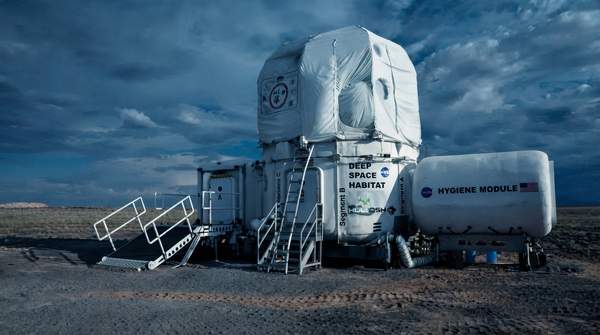
Long-duration human missions beyond Low Earth Orbit cannot be run the way the International Space Station is run. The core reason is logistical, not technological: reaching destinations such as near-Earth asteroids or Mars takes months to years, and the energy and time required make routine resupply infeasible. According to a NASA analysis of supportability requirements for beyond-LEO missions, the ISS strategy of relying on a steady logistics train from Earth simply will not work for deep space. That single constraint cascades into three defining engineering challenges: closing the life support loop, protecting crews from deep space radiation, and designing habitats around human psychological and physiological needs.
The Fundamental Shift: From Resupply to Self-Sufficiency
The ISS operates on a maintenance-centered model. As NASA's own assessment of the station's supportability approach describes, its strategy for continued safe operation revolves around preventative and corrective maintenance, supported by a logistics train that brings necessary components from Earth. Because resupply is routine, the station does not need to keep every spare on hand at all times; crews can time non-critical replacements to coincide with scheduled resupply missions.
Beyond LEO, that model breaks down. NASA's analysis of beyond-LEO mission requirements notes that near-Earth asteroid and Mars system missions run on the order of months to years from launch to return, and that resupply during these missions will likely not be feasible. Missions will also need to minimize cost by minimizing the number of launch vehicles required, which means everything needed—consumables, spares, and repair capability—must either launch with the crew or be rendered unnecessary.
This is the philosophical shift: from a system designed to be replenished to a system designed to sustain itself. One design lever NASA identifies is commonality—using similar classes of components across avionics, power, thermal, and environmental control subsystems—so that fewer distinct spares and less specialized expertise are needed aboard. The station's approach answers the question "what do we need next month?" A beyond-LEO vehicle must answer "what do we need for the entire mission, with no second chances?"