The revolutionary potential of CRISPR-Cas9 gene editing to address a wide range of human diseases hinges significantly on the effectiveness and safety of its delivery systems. Successfully transporting the CRISPR-Cas9 complex into target cells and their nuclei, while overcoming cellular barriers and managing its considerable molecular weight and poor stability, is paramount for therapeutic success. As one scholarly review emphasizes, "CRISPR/Cas9 gene editing success relies heavily on delivery systems, as these directly influence the transfection efficiency, target specificity, and therapeutic potential." Key challenges in this endeavor include achieving precise targeting, minimizing unintended off-target edits, and mitigating immune responses.
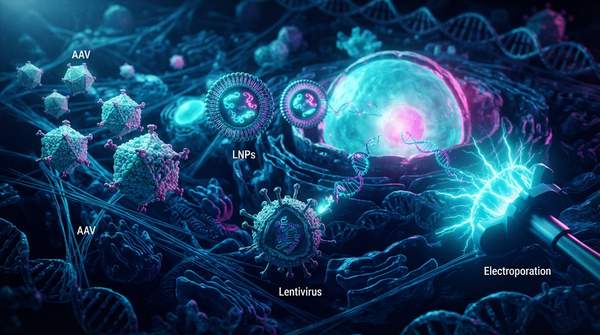
Different delivery methods offer distinct advantages and disadvantages, influencing their suitability for various therapeutic applications. This article compares Adeno-Associated Viruses (AAVs), Lipid Nanoparticles (LNPs), and Lentiviruses based on their target specificity, immunogenicity, and current clinical translation status. It also examines the role of Electroporation, primarily for ex vivo gene editing, and explains how the choice of CRISPR cargo influences the selection of a delivery vehicle.