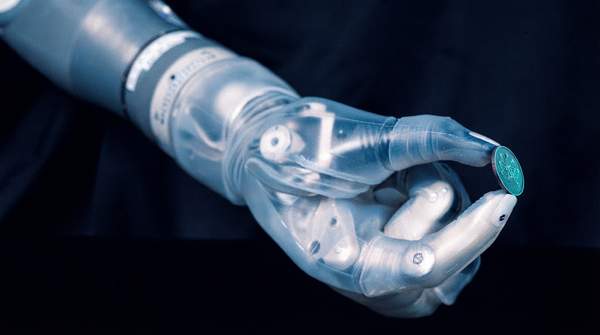
Brain–computer interfaces can already translate neural activity into commands that let people with paralysis operate cursors, communication systems, and assistive devices. Yet despite decades of laboratory progress, these systems remain largely experimental in clinical practice, and researchers themselves identify the reasons: the signals are hard to capture and decode, the systems are difficult and slow to learn, and the field still lacks shared standards for measurement and protocols. Understanding those three barriers — signal processing, usability, and standardization — is the clearest way to understand both what neuroprosthetics can do today and why their adoption has stalled.
From Brain Signals to Restored Function
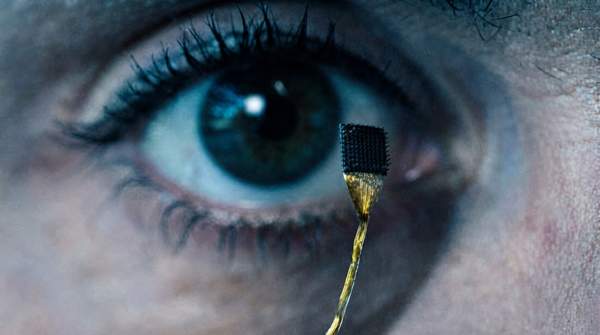
A neuroprosthetic BCI works as a translation chain. It begins with signal acquisition: electrodes — in high-performance systems, ultra-high-density electrode arrays — record brain activity with increasingly fine resolution, as one review of BCI technology in neurological conditions describes. Those raw recordings then pass through signal-processing algorithms that decode complex neural activity in real time, with advanced computing resources accelerating the analysis. Finally, the decoded output is translated into a command that drives an external device or assistive interface.
What that translation chain delivers is the entire point of the field: quicker system responses and heightened control precision, which together aim to give users what one review calls "a more seamless and instinctive interface experience." Every engineering challenge discussed below is a failure point somewhere along this chain — in the recording, in the decoding, or in the human effort required to make the final command usable in daily life.