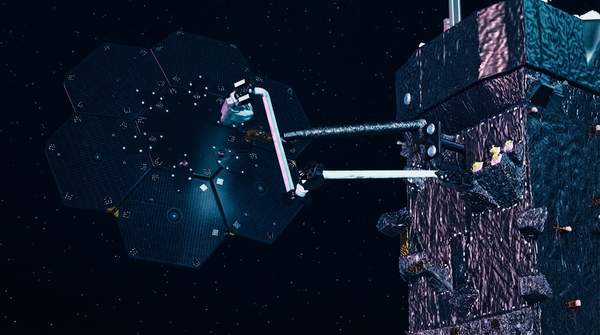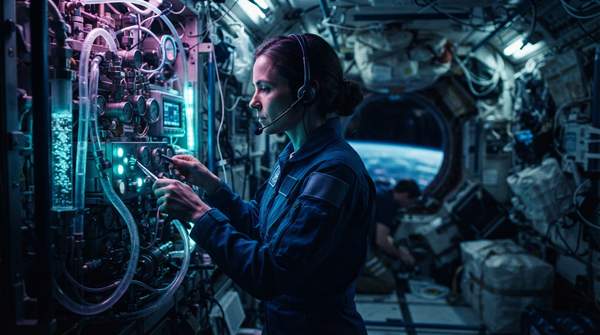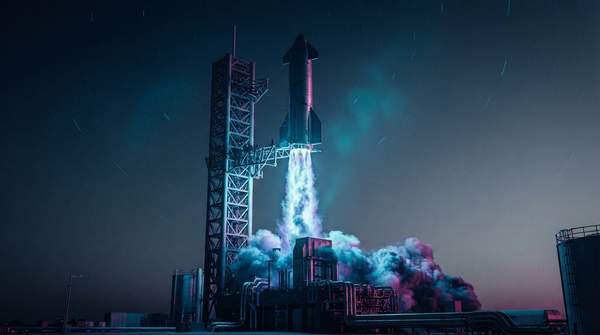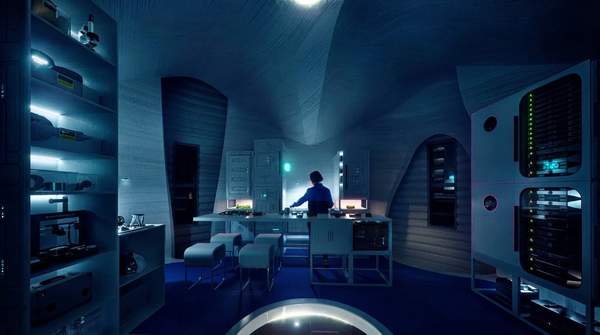
As humanity sets its sights on long-duration human missions to Mars, understanding the readiness and implications of critical technologies becomes paramount for policymakers and space exploration enthusiasts. The journey to the Red Planet, spanning approximately 140 million miles, necessitates significant advancements in propulsion, life support, and resource utilization to ensure crew safety and mission feasibility, as highlighted by NASA.
This analysis, drawing from NASA and Purdue University reports, examines key technologies based on their Technological Readiness Levels (TRL), estimated resource demands, and their impact on mission duration and crew safety. A TRL of 6 or higher is typically required for a technology to be integrated into a flight system, making the maturation of these innovations a critical focus for future investment and development.
Understanding Technological Readiness Levels (TRL) for Space Exploration
Technological Readiness Levels (TRLs) provide a standardized metric for assessing the maturity of a technology and consistently comparing different types of technology within a specific application and operational environment, according to NASA. These levels range from TRL 1, representing basic technology research, to TRL 9, which signifies systems tested, launched, and operational. For a technology to be integrated into a flight system, it typically needs to achieve a TRL of 6 or higher, meaning it has been demonstrated in a relevant environment.
Advancing technologies to TRL 6 is a critical milestone, often requiring specific ground and flight tests. The National Academies Press emphasizes the importance of reviewing projects for the absence of these key tests, especially those needed to reach TRL 6. Developing conceptual designs for necessary facilities or flight tests is essential to establish plans and resource requirements for integrating the required testing into technology development projects. Historically, a significant reduction in low-TRL research investments could negatively impact the ability to participate in future human space exploration programs, affecting both technology sustainability and personnel expertise, as noted by the National Academies Press.