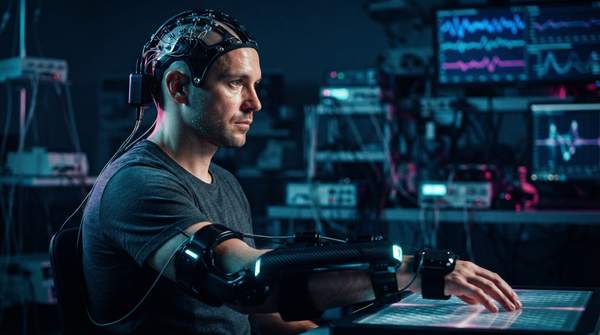
Brain-computer interfaces (BCIs) offer a direct communication pathway between the brain and an external device, but their applications in restoring motor function are not one-size-fits-all. These technologies vary significantly in their level of invasiveness, the specific neurological conditions they are designed to address, and the functional goals they aim to achieve. From non-invasive headsets that help stroke survivors retrain their limbs to surgically implanted electrodes that restore communication for individuals with complete paralysis, the choice of BCI is tailored to the unique circumstances of the patient.
Understanding these distinctions is crucial for patients, clinicians, and researchers navigating the landscape of neurorehabilitation. The primary differences lie in whether the technology requires surgery, the nature of the neurological impairment—such as from a stroke, spinal cord injury, or a neurodegenerative disease like amyotrophic lateral sclerosis (ALS)—and whether the goal is to restore movement, enhance rehabilitation, or provide an alternative means of control and communication.
Understanding Brain-Computer Interfaces for Motor Restoration
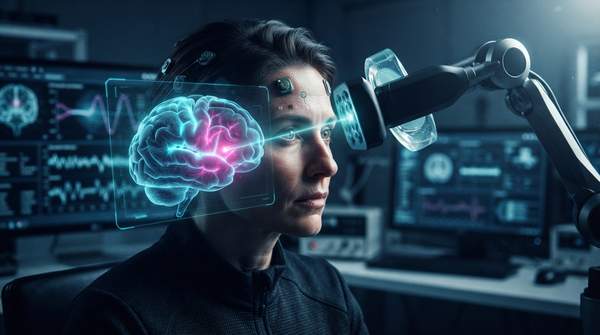
A brain-computer interface is a system that establishes a closed-loop connection between brain signals and an output device, such as a computer or a prosthetic limb. The fundamental purpose of these systems is to "support, extend, or restore human sensorimotor capabilities," as one review describes it. In the context of motor function, a BCI reads the brain's electrical signals and translates them into the movement of a limb or the control of an assistive device. This technology holds promise for individuals who have lost motor control due to neurological conditions.
Many BCI systems used in neurorehabilitation rely on a paradigm known as motor imagery. This technique involves the user imagining moving a limb, which activates the same neural pathways as actual movement. These distinct patterns in brain activity can be detected by sensors, often using electroencephalography (EEG), and used to control external equipment. Motor imagery is particularly beneficial for rehabilitation, as it allows patients to engage in mental exercises that can promote motor recovery without requiring physical movement.
These systems are often integrated with other assistive technologies to enhance their therapeutic effect. Clinical studies in motor rehabilitation frequently examine the use of BCIs in combination with functional electrical stimulation (FES) systems and robotic exoskeletons. This integration aims to re-establish the connection between the intention to move and the resulting sensory feedback, which is considered a key element in promoting functional recovery.