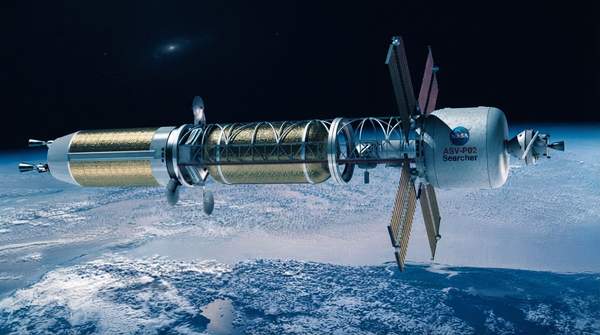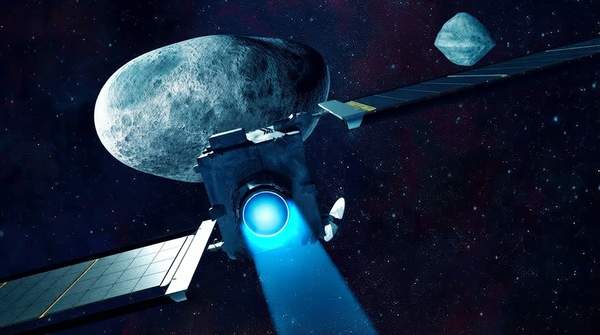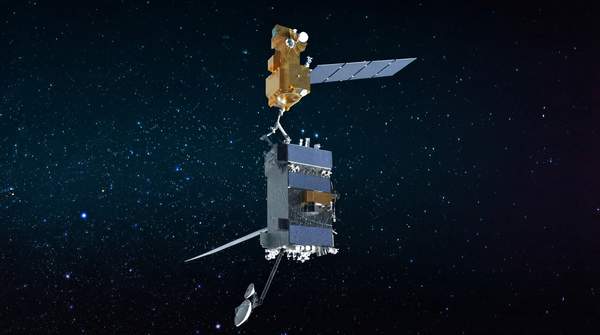
The robots being built for in-orbit servicing, assembly and manufacturing are not converging on one general-purpose design. Instead, three distinct systems illustrate how the field is splitting into specialized roles: NASA's OSAM-1, built to refuel an aging Earth-observation satellite; DARPA and the Naval Research Laboratory's RSGS, a servicing vehicle headed for geosynchronous orbit; and a dexterous walking robot concept aimed at assembling structures far larger than anything a single rocket could carry. Understanding what each one is for — and where it operates — is the key to understanding this emerging field.
Introduction to In-Orbit Servicing, Assembly, and Manufacturing (ISAM)
In-orbit servicing, assembly and manufacturing, or ISAM, covers the growing set of techniques for doing useful work on spacecraft after they reach orbit: refueling them, repairing them, upgrading them, or building new structures there rather than on the ground. The strategic stakes are straightforward. Satellites today are typically launched fully assembled and fueled, and once that fuel or a critical component runs out, the spacecraft is abandoned — even if its instruments still work. Robotic systems that can intervene change that economics entirely.
The systems now in development fall into two broad categories: those that service existing satellites, extending the life of hardware already in orbit, and those designed to assemble new structures that could never fit inside a launch vehicle fairing. The three systems compared below map cleanly onto that divide.