
Neurotechnology
6 articles
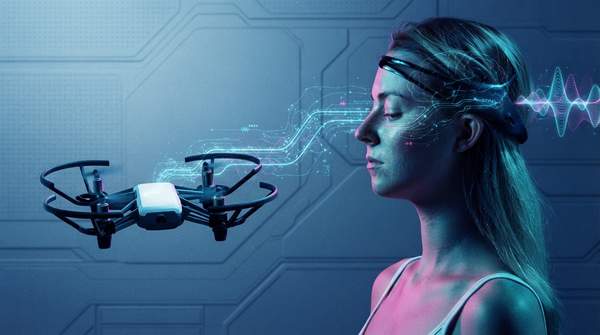
Ethics at the Neural Frontier: How to Evaluate Brain-Computer Interfaces Before They Scale
Brain-computer interfaces (BCIs) present significant ethical challenges, requiring careful evaluation before widespread adoption. This article outlines core principles like autonomy, privacy, and equity, and provides a framework for assessing BCI applications based on their purpose and invasiveness.

4 Emerging Neurotechnologies for Brain Health & Resilience
Despite a surge in innovation, nearly 80% of emerging neurotechnologies for brain health and resilience remain years away from FDA approval, most still in early developmental stages.

Leading Emerging Neurotechnologies for Cognitive Enhancement
A five-day brain treatment promising an 85.

7 Neurotechnologies for Mental Health Treatment in 2026
The number of clinical trials for vagus nerve stimulation (VNS) alone has grown exponentially since 2015, with 86% of these non-invasive trials reporting symptom improvements.

How Brain-Computer Interfaces Work: Four Steps From Brain Signal to Machine Action
Brain-computer interfaces (BCIs) create a direct communication channel between the brain and a machine, translating brain signals into commands for output devices. They operate through a four-step process: Measure, Interpret, Encode, and Deploy, with distinctions between invasive and non-invasive technologies.

Implanted vs. Wearable: How Brain-Computer Interfaces Are Splitting Into Two Very Different Technologies
Brain-computer interfaces are diverging into two distinct technological paths: invasive implanted devices for restoring critical functions in severely disabled individuals, and non-invasive wearable devices targeting broader everyday consumer applications. While implants offer high precision for medical restoration, wearables are advancing towards practical, hands-free interaction with consumer electronics.