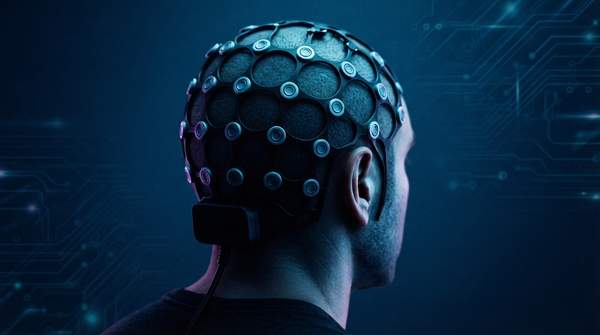
Brain-computer interfaces promise to restore speech, movement, and connection for people with severe disabilities—and, in their augmentative forms, to extend the capabilities of healthy users. The ethical question is no longer hypothetical: China has issued national research guidelines, Colorado and Minnesota have moved to protect neural data in law, and the OECD has adopted an international recommendation on responsible neurotechnology innovation. What ties these efforts together is a small set of principles—autonomy, privacy, and equity—now being translated from abstract bioethics into concrete rules. This article explains those principles, shows how different categories of BCI carry different risks, and offers a framework for evaluating any BCI application.
Introduction: Navigating the Ethical Frontier of Brain-Computer Interfaces
BCIs read from, and in some cases write to, the brain, creating a channel between neural activity and external devices. That channel is ethically distinctive because the data involved is not ordinary behavioral data—it is drawn directly from the organ associated with thought, intention, and identity. A scholarly review of BCI ethics in mental healthcare, published in Frontiers in 2026 by Ajay Chandra, Arkalgud Ramaprasad, and Madhavi Rangaswamy, notes that expansive deployment of AI and big data analytics forces a re-evaluation of established principles around privacy, confidentiality, data ownership, informed consent, systemic inequities, and human dignity.
The same review observes that existing frameworks differ in strength: the Nuffield framework improves contextual relevance by incorporating precaution, autonomy, safety, and equity, but lacks regulatory enforceability. Meanwhile, the U.S. BRAIN initiative faces questions about how neural activity can be modulated while respecting autonomy and identity. The gap between principle and enforceable rule is exactly where most BCI ethics currently sits.