
All Stories
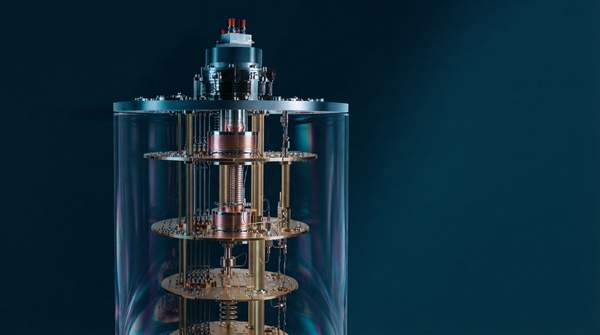
How Zero-Noise Extrapolation Turns Noisy Quantum Results Into Better Estimates
Zero-Noise Extrapolation (ZNE) improves noisy quantum computer results by intentionally amplifying noise and then extrapolating the measurements to estimate an ideal, error-free answer. This software-based technique is a pragmatic approach for NISQ devices, offering an alternative to hardware-intensive quantum error correction.

Curious About Imaging Orders Direct? Here's the Rundown on Easy Diagnostic Referrals
Imaging Orders Direct is a telehealth platform providing virtual consultations with licensed providers to order MRI, CT, X-ray, and ultrasound scans. For patients navigating the complexities of healthcare, especially tho…

Three Senses, Three Interfaces: How Cochlear, Retinal and Somatosensory Implants Differ
Sensory neuroprosthetics restore lost senses by electrically stimulating the nervous system, but their effectiveness and experience vary based on their neural interface. This article compares cochlear, retinal, and somatosensory implants, highlighting how their distinct connection points lead to different outcomes like hearing, approximated vision, and tactile feedback.

From Brainwave to Command: How a BCI Turns Neural Signals Into Action
A brain-computer interface (BCI) translates neural signals into device commands through a four-stage pipeline: signal acquisition, conditioning, feature extraction, and AI-driven decoding. Understanding this process, from capturing raw brain activity to providing feedback, is key to BCI functionality and its ongoing development.
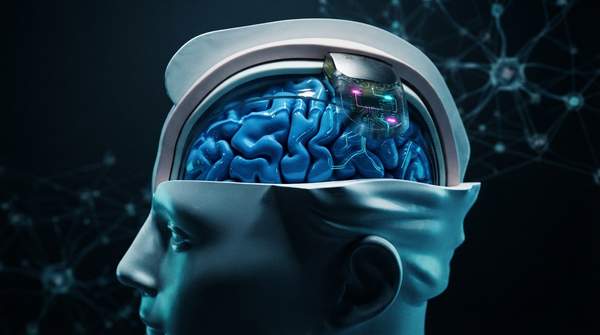
EEG, ECoG, or Intracortical: How BCI Signal Acquisition Methods Trade Surgery for Precision
Brain-computer interfaces (BCIs) navigate a core trade-off between invasiveness and signal quality, with methods like EEG, ECoG, and intracortical arrays offering increasing precision at the cost of surgical intervention. The choice of BCI acquisition method hinges on balancing application requirements for signal fidelity against acceptable levels of surgical risk.

How Smart City Digital Twins Work: Layers, Sensors, and the Cities Already Using Them
A smart city digital twin is a virtual, data-fed replica of an urban environment, functioning as a layered system to simulate scenarios and monitor change. It gathers data from physical infrastructure, processes it on a cloud platform, and delivers management applications, enabling proactive urban planning.

What to Consider Before Buying Webcams (With Star Lite Tech Co. on the Shortlist)
The shift to remote and hybrid work has transformed the modern workspace, placing new demands on our digital communication tools. According to a study from the University of Pennsylvania, this change has increased the em…

How Prescriptive AI Moves Critical Care From Forecasting Deterioration to Recommending Therapy
Prescriptive AI in critical care aims to bridge the gap between predicting patient deterioration and recommending specific, actionable therapies. By integrating causal machine learning and reinforcement learning, these systems offer personalized treatment guidance to clinicians.

Two Roads to the Moon and Mars: How US and Chinese Space Strategies Diverge
The United States and China are pursuing distinct strategies for lunar and Martian exploration, differing in timelines, international partnerships, and underlying objectives. While the US Artemis program uses the Moon as a stepping stone for Mars with a coalition-based model, China's state-directed approach focuses on national milestones and a sustained lunar presence.

Utilization vs. Storage: The Two Different Destinies of Captured CO2
Captured CO2 faces two distinct destinies: utilization as a resource to create products with variable permanence, or storage as waste for permanent geological sequestration. Understanding this split is key to evaluating a carbon capture proposal's climate benefit.
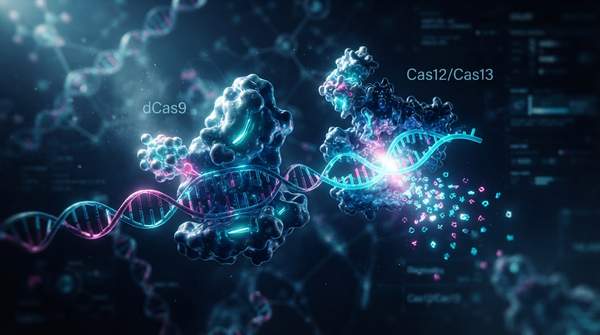
CRISPR Beyond the Cut: How Diagnostics and Gene Regulation Use Different Molecular Machinery
CRISPR technology extends far beyond gene editing, utilizing modified enzymes like dCas9 for precise gene regulation and epigenome modification without cutting DNA. Other CRISPR systems, such as Cas12 and Cas13, are employed in diagnostics by leveraging collateral cleavage to detect nucleic acids rapidly and sensitively.

No Primary Care Doctor? Here's How to Request a Diagnostic Order Online
Obtaining a diagnostic order for medical imaging or lab tests can be challenging without a primary care doctor or when appointments are scarce. Services like Diagnostic Orders Direct offer an online solution, providing virtual provider reviews for a range of diagnostic studies.

Three Ways to Shield Astronauts from Deep-Space Radiation: Mature Mass, Impractical Fields, and Unproven Pills
Protecting astronauts from deep-space radiation requires a multi-faceted approach, as passive shielding is too massive, active shielding is largely conceptual, and biological countermeasures have unresolved long-term risks. No single method is currently viable for long-duration missions.

EGS vs. AGS: What Separates the Two Leading Next-Generation Geothermal Designs
Enhanced Geothermal Systems (EGS) and Advanced Geothermal Systems (AGS) represent distinct approaches to next-generation geothermal energy, differing fundamentally in their heat extraction methods and associated risks. EGS uses convection through fractured rock, facing seismicity concerns, while AGS relies on conduction via sealed pipes, battling higher drilling costs.
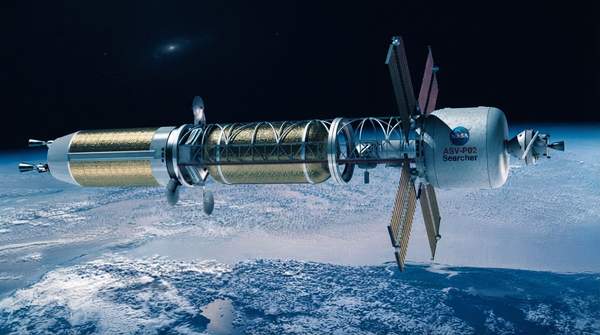
Nuclear Thermal vs. Nuclear Electric: Which Propulsion System Fits Which Deep-Space Mission
Nuclear space propulsion offers two main paths: Nuclear Thermal Propulsion (NTP) for high-thrust, rapid crewed missions like Mars transits, and Nuclear Electric Propulsion (NEP) for highly efficient, long-duration robotic exploration. The choice depends on prioritizing speed and abort capability versus sustained endurance and propellant economy.

From First Signal to Field Response: How AI Now Runs Through the Outbreak Timeline
Artificial intelligence plays a crucial role in managing infectious disease outbreaks, following a distinct timeline from early detection and prediction to response and resource management. The article outlines AI's capabilities, tools like machine learning and language models, and the challenges in its deployment.

7 Creative AI Resources Made for Filmmakers
Artificial intelligence is rapidly reshaping the filmmaking landscape, offering powerful new avenues for creativity. For directors and visual storytellers, navigating these tools requires a forward-looking perspective. T…

From Waste Gas to Protein and Plastic: How Two CO2 Utilization Pathways Compare
Captured carbon dioxide can be transformed into valuable products like animal feed protein or polyurethane foam through two distinct pathways: biochemical conversion using microorganisms and polymer production using CO2 as a feedstock. Both routes show market potential by 2040 but face energy penalties and require significant policy and investment support for widespread adoption.
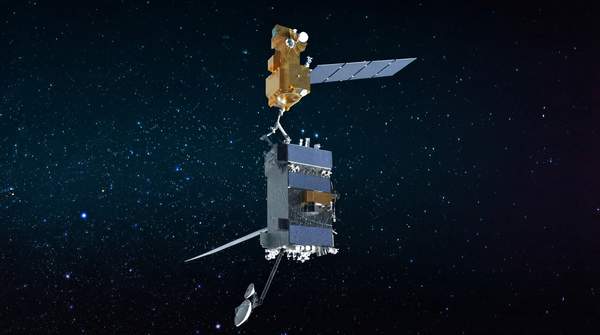
Three Robots, Three Jobs: How OSAM-1, RSGS and a Walking Robot Concept Divide Up Space
The field of in-orbit servicing, assembly, and manufacturing (ISAM) is specializing into distinct robotic roles, moving away from general-purpose designs. Three key systems—OSAM-1 for refueling, RSGS for geosynchronous servicing, and a walking robot concept for large-scale assembly—highlight this division and its strategic implications for future space operations.

How Brain Implants Turn the Intention to Speak Into Audible Words
Speech brain-computer interfaces (BCIs) translate the intention to speak into audible words by decoding motor signals from the brain, not by reading minds. The process involves recording neural activity, decoding intent via phoneme or vocal tract modeling, and synthesizing speech, with ongoing research focused on improving accuracy and naturalness.
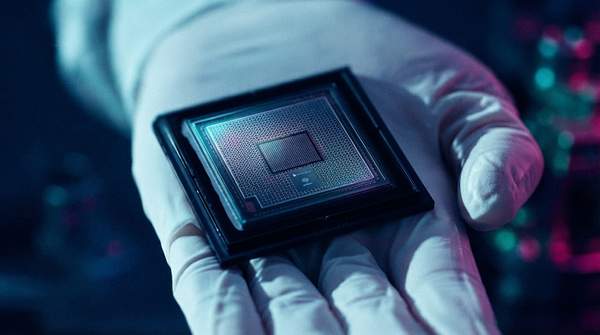
Qudits Explained: More States Per Particle, More Control Problems
Qudits, quantum information units with more than two states, offer potential advantages in information density and error correction over qubits. However, their practical implementation faces significant challenges in control, characterization, and noise management.

A Deep Dive: How Augusta Hitech Helped Healthcare ACOs Cut Costs by 15% with AI
Augusta Hitech leveraged enterprise AI to help healthcare Accountable Care Organizations (ACOs) achieve a 15% cost reduction by automating high-volume tasks and unifying fragmented data. Their Genesis Intelligence System provides a comprehensive solution for overcoming administrative waste and improving reporting accuracy.
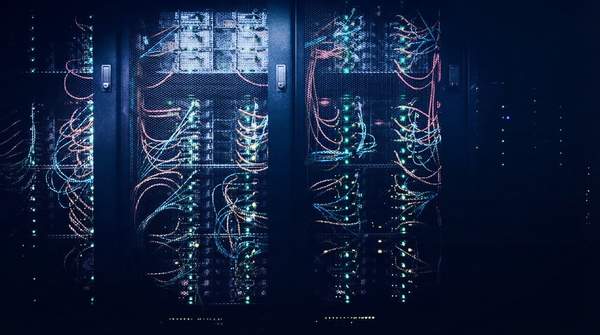
When NVMe SSDs Beat More HBM for LLM KV Cache—and When They Don't
Offloading LLM KV cache to NVMe SSDs provides substantial capacity and cost advantages for high concurrency and long contexts, but it comes with a notable latency penalty. The decision hinges on workload latency tolerance, concurrency needs, and context length.
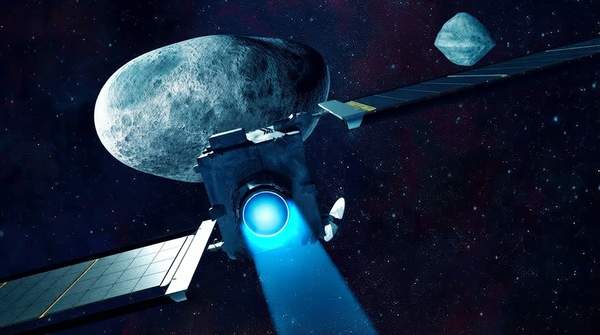
Three Ways to Move an Asteroid: Why the Most Powerful Deflection Method Is Also the Most Dangerous
Planetary defense against asteroids involves a critical trade-off between deflection power and fragmentation risk. While kinetic impactors are proven but risky, Ion Beam Deflection offers a safer, controlled approach, with nuclear devices reserved for extreme threats.